What to Expect During a Roof Removal Project
People seeking roof removal often want a safe, efficient process, and local contractors can handle the job professionally, ensuring a smooth and stress-free experience.
Understanding what to expect during a roof removal project can help property owners feel more prepared and confident when exploring options for their home or business. Whether replacing an aging roof or upgrading to a more durable material, knowing the general process and considerations involved can make the experience smoother. Local contractors who specialize in roof removal services are well-equipped to handle each stage, from initial assessment to the final installation, ensuring the work aligns with the property’s needs and conditions. Keep reading to discover practical insights into what a typical roof removal entails and how experienced service providers can support this important project.
Property owners in the area often consider roof removal for reasons such as improving structural integrity, enhancing curb appeal, or preparing for additional upgrades. Engaging with local pros can provide clarity on what to expect during the process, including the steps involved and potential impacts on the property. These specialists bring the necessary expertise to manage everything safely and efficiently, making sure the project progresses smoothly from start to finish. Continuing to explore this topic can help ensure the right decisions are made when planning a roof removal, and it highlights the valuable role local service providers play in delivering quality results.
- Complete roof removal - homeowners planning a full roof replacement often need this service, which local contractors approach with careful tear-down techniques to protect underlying structures.
- Asphalt shingle removal - when replacing asphalt shingles, local pros efficiently strip old materials to prepare for new roofing installations.
- Tile roof removal - for tile roof upgrades or repairs, service providers handle delicate removal processes to prevent damage to tiles and supporting structures.
- Flat roof tear-off - property owners with flat roofs seeking replacement or repair can rely on local pros to safely remove the existing roofing layers.
- Roof overlay removal - in cases where old roofing layers need to be stripped before installing new materials, local contractors perform thorough removal to ensure proper adhesion of the new roof.
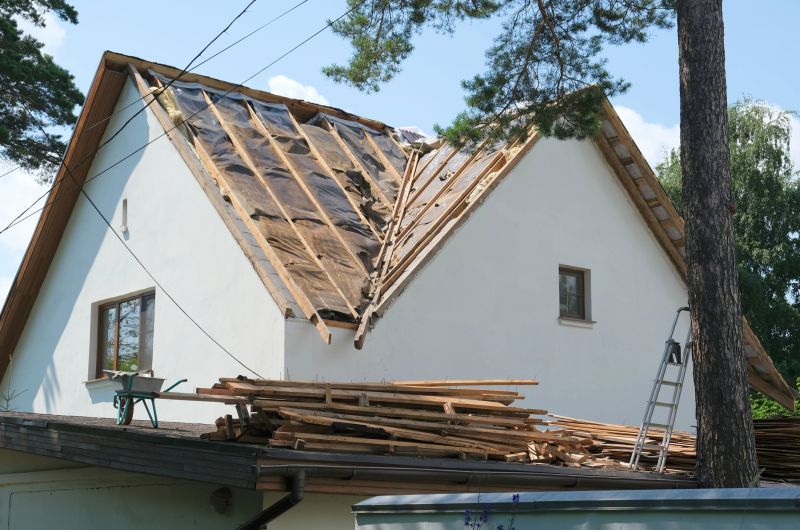
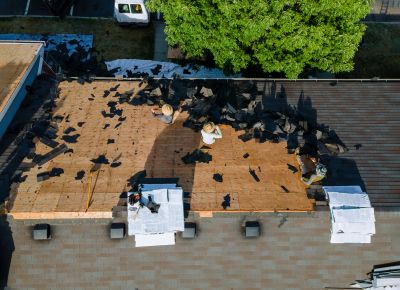
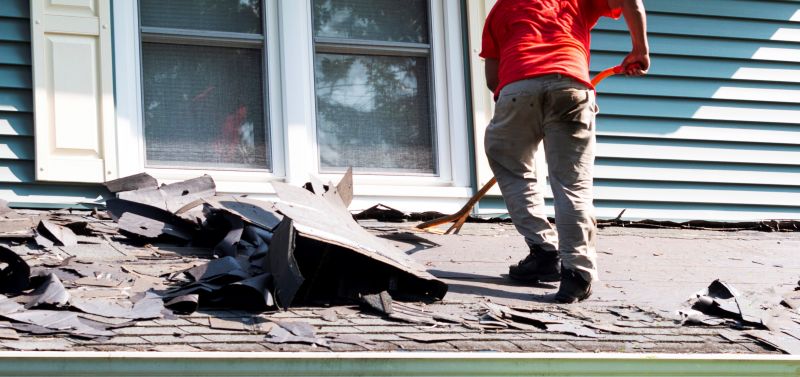
When searching for information on what to expect during a roof removal project, homeowners are often considering a significant upgrade or repair to their property’s roofing system. This type of project typically arises when a roof has sustained extensive damage, is outdated, or when a homeowner plans to replace an existing roof with a different material or style. The process involves removing the current roofing layers to prepare the surface for a new roof installation. Understanding what happens during this phase helps homeowners anticipate the scope of work, potential disruptions, and how local contractors manage the removal process to ensure safety and efficiency.
Roof removal projects are commonly related to problems such as persistent leaks, mold or rot issues, or structural concerns beneath the roofing material. Sometimes, property owners opt for a roof replacement during renovations or additions, especially when the existing roof cannot support new features or upgrades. These projects can involve properties of various types, including single-family homes, multi-family buildings, commercial structures, and even historic properties. Each property type may require a different approach, but all benefit from the expertise of local service providers who understand the specific demands of each project and property style.
During a typical roof removal, homeowners can expect a process that involves careful preparation, including protecting surrounding areas and ensuring safety protocols are followed. The removal itself often begins with stripping away shingles, tiles, or other roofing materials, revealing the underlying deck or sheathing. Local pros use specialized equipment to handle this efficiently, minimizing debris and disruption. After the old roofing is removed, the surface is inspected for damage or deterioration, and necessary repairs are made before installing the new roofing system. This phase of the project is critical for ensuring the longevity and performance of the new roof.
Understanding what to expect during a roof removal project helps homeowners better prepare for the experience and recognize the role of local contractors in managing the work smoothly. These service providers coordinate the removal process, handle the disposal of old materials, and ensure that the underlying structure is sound before new roofing is installed. While the process can generate some noise and debris, experienced local pros work to keep disruptions manageable. Knowing that professionals are overseeing each step provides reassurance that the project will be completed correctly, setting the stage for a durable, long-lasting roof that protects the property for years to come.
Asphalt Shingle Removal - This project involves removing existing asphalt shingles, requiring similar planning and tools as roof removal to ensure proper disposal and surface preparation.
Roof Deck Replacement - Replacing or repairing roof decks shares skills in surface assessment, structural support, and precise removal techniques with roof removal projects.
Gutter and Fascia Replacement - Installing or replacing gutters and fascia involves working at roof edges and requires careful planning, similar to roof removal preparations.
Attic Insulation Removal - Removing attic insulation often coincides with roof work, demanding similar safety precautions and debris management as part of the process.
Flashing and Ventilation Upgrades - Upgrading roof flashing and ventilation systems involves working with roofing components, requiring similar planning and tool use as roof removal.
Roof Inspection and Assessment - Conducting detailed inspections to evaluate roof condition parallels the assessment phase of roof removal, helping to determine necessary repairs or replacements.
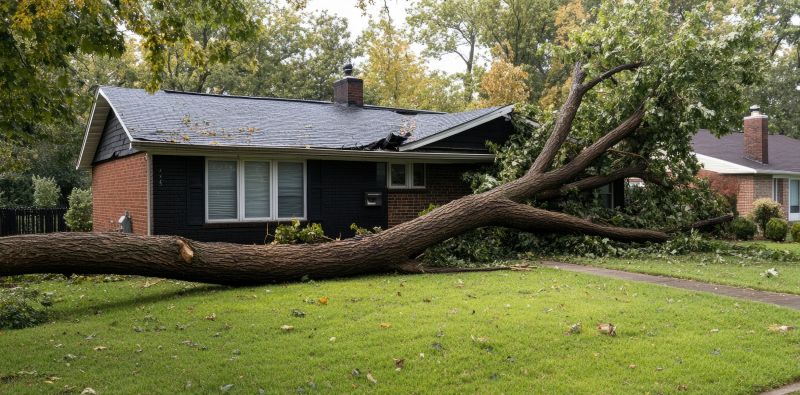
When comparing local contractors for a roof removal project, it is important to consider their experience with similar types of work. A contractor who has handled numerous roof removals can better anticipate potential challenges and ensure a smoother process. Homeowners should inquire about the types of roofs the service providers have worked on and how familiar they are with the specific materials and structures involved. This background can contribute to a more predictable project experience, helping to set appropriate expectations for what the removal will entail.
Clear, written expectations are essential when evaluating different service providers. Reputable local contractors should be able to provide detailed descriptions of what the roof removal process includes, outlining the steps involved and what the homeowner can expect at each stage. Having this information in writing helps prevent misunderstandings and ensures everyone is aligned on the scope of work. It also allows homeowners to compare how well different contractors communicate and how transparent they are about the process, which is an important factor in choosing a reliable service provider.
Reputation and communication are key indicators of a trustworthy local contractor. Homeowners are encouraged to seek references or reviews from previous clients to gauge the quality of the contractor’s work and their professionalism. Good communication throughout the project is vital, as it ensures questions are answered and updates are provided in a timely manner. Service providers who prioritize clear, consistent communication and have a reputation for reliability can help make the experience of a roof removal project more straightforward and less stressful.
Property owners often search for what to expect during a roof removal project when they are planning practical projects around their homes and businesses. Local pros provide Roof Removal services for everyday jobs and straightforward project options.
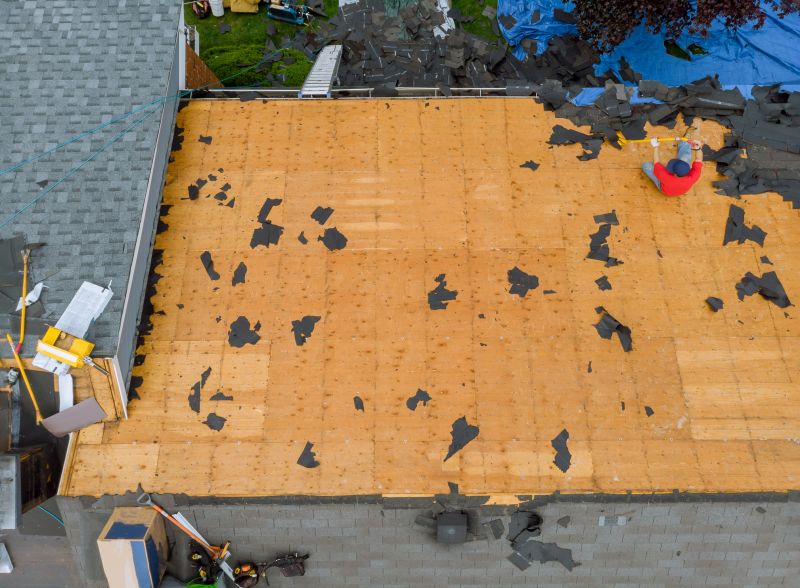
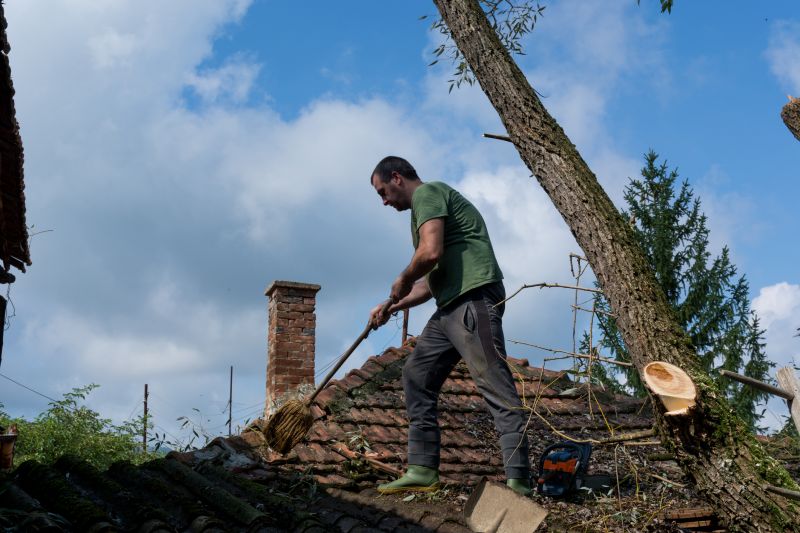
During a roof removal project, property owners can expect to see a typical sequence of activities that involve careful planning and coordination. The process often begins with the removal of the existing roofing materials, which may generate debris and dust that can temporarily impact the surrounding area. Local contractors usually take steps to contain the work zone, minimizing disruption to outdoor spaces and neighboring properties. As the old roof is stripped away, homeowners might notice the presence of roofing tools and equipment on-site, along with workers carefully inspecting the underlying structure to ensure it is sound before new materials are installed.
Understanding what to expect during a roof removal project can help property owners prepare for the temporary inconveniences involved. Common situations include noisy work, the presence of workers on the roof, and the need to clear driveways or access points to allow for equipment and debris removal. Local service providers are experienced in managing these everyday project situations, working efficiently to complete the removal while keeping disruptions to a minimum. This level of professionalism can give property owners confidence that the project will be handled smoothly and with attention to safety and cleanliness.
What is the typical process during a roof removal project? During a roof removal project, local contractors usually start by preparing the site, removing existing roofing materials, and inspecting the underlying structure. They ensure proper disposal of old materials and prepare the surface for a new roof installation.
What should I expect in terms of debris and mess? Roof removal can generate debris such as shingles, nails, and old roofing materials. Local service providers typically take measures to contain the mess and clean the site after the removal is complete.
Will there be noise or disruptions during the project? Yes, roof removal involves loud equipment and activities that may cause some noise and disruption. Contractors generally coordinate with homeowners to minimize inconvenience during the process.
How do local pros handle the removal of old roofing materials? Experienced contractors use specialized tools and techniques to carefully remove old roofing materials, ensuring safety and efficiency while minimizing damage to the underlying structure.
What are the key safety considerations during a roof removal project? Safety measures include securing the work area, using proper equipment, and following best practices to prevent accidents. Local service providers prioritize safety to protect both workers and property during the removal process.
Preparing the property - Property owners can ensure clear access paths and remove outdoor items to facilitate a smooth roof removal process with local contractors.
Understanding the process - Knowing what to expect during a roof removal project helps property owners plan for potential disruptions and coordinate other exterior work accordingly.
Managing debris and waste - Expect local pros to handle debris removal efficiently, but property owners should prepare for temporary clutter and plan for proper disposal.
Post-removal inspection - After the roof is removed, a thorough inspection by local contractors ensures the underlying structure is sound before new roofing begins.
If you are thinking about what to expect during a roof removal project for a property, this guide is meant to help you understand this topic, the typical project types, and how different options might fit your plans.
When you are ready, you can use the quote form on this page to share a few details about your project. From there, local pros can review the basics and follow up with options that match what you have in mind.